
Cinnamon is one of the most widely used spices in the world, valued for its flavor, aroma, and potential health benefits. But if you are following a low FODMAP diet, you may wonder: is cinnamon safe for digestion, especially for people with IBS (Irritable Bowel Syndrome)?
The short answer is yes—cinnamon is considered low FODMAP when consumed in typical culinary amounts. However, understanding why requires a closer look at its composition, portion sizes, and how it interacts with the digestive system.
What Is Cinnamon?
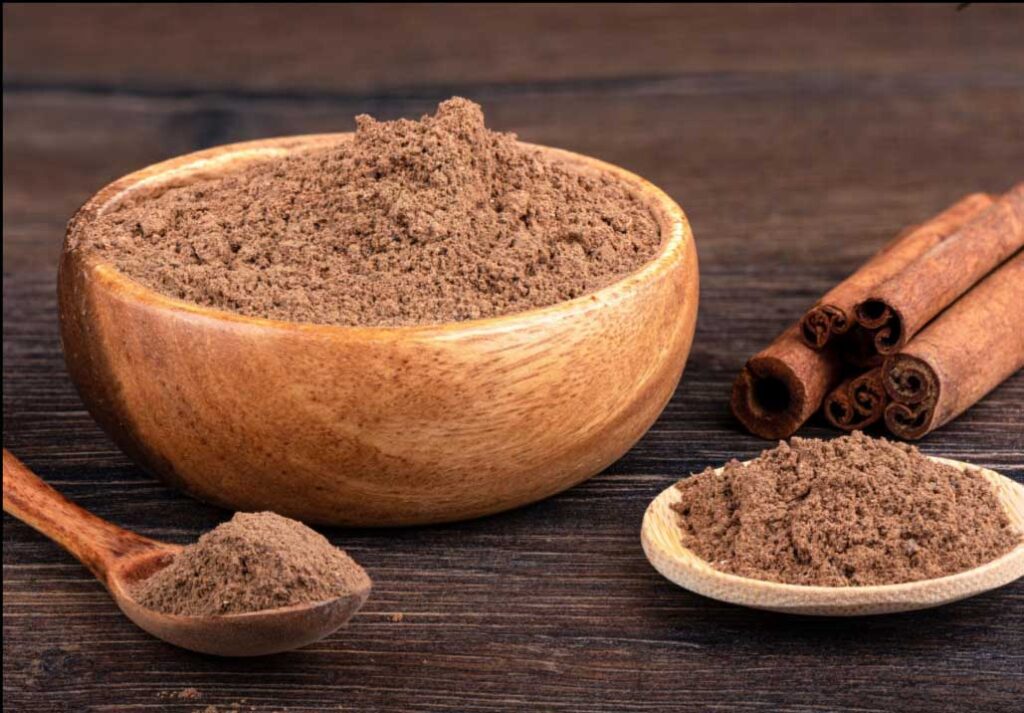
Cinnamon is a spice derived from the inner bark of trees from the genus Cinnamomum. The two most common types are:
- Ceylon cinnamon (“true cinnamon”)
- Cassia cinnamon (more common and stronger in flavor)
Both types are nutritionally similar and are used in small quantities in cooking and baking.
Is Cinnamon Low FODMAP? (Scientific Answer)
✅ Yes — Cinnamon Is Low FODMAP
According to research from Monash University, the leading authority on FODMAP science, cinnamon is classified as low FODMAP in typical serving sizes.
Why Cinnamon Is Low FODMAP
Cinnamon contains:
- Negligible carbohydrates per serving
- No significant amounts of fermentable sugars such as:
- Fructose (in excess)
- Lactose
- Fructans or galacto-oligosaccharides
- Polyols (sorbitol, mannitol)
Because FODMAPs are specific fermentable carbs, and cinnamon contains almost none of them, it does not trigger the same digestive fermentation processes.
Recommended Serving Size
Even low FODMAP foods can become problematic in excessive amounts. For cinnamon:
- ✅ Safe serving: ~1 teaspoon (2–3 grams)
- ⚠️ Larger amounts: May cause irritation (not due to FODMAPs, but due to spice intensity)
Cinnamon is typically used as a seasoning, so it is naturally portion-controlled, making it very safe for most people.
Benefits of Cinnamon for Gut Health
🧪 Anti-Inflammatory and Antioxidant Properties
Cinnamon contains bioactive compounds such as:
- Cinnamaldehyde
- Polyphenols
These compounds have been studied for:
- Reducing inflammation
- Supporting metabolic health
- Potential antimicrobial effects
🦠 Potential Digestive Support
While not a treatment for IBS, cinnamon may:
- Help reduce bloating (indirectly)
- Support gut microbiota balance
However, effects vary between individuals, especially in those with sensitive digestive systems.
Cinnamon and IBS: Is It Safe?
For individuals with Irritable Bowel Syndrome, cinnamon is generally:
- ✅ Well tolerated
- ✅ Safe during the elimination phase of the low FODMAP diet
- ⚠️ Rarely irritating if consumed in large quantities or in concentrated forms (e.g., supplements)
Forms of Cinnamon: Do They Matter?
| Form | Low FODMAP? | Notes |
|---|---|---|
| Ground cinnamon | ✅ Yes | Most common and safe |
| Cinnamon sticks | ✅ Yes | Used for infusion |
| Cinnamon tea | ✅ Yes | Usually well tolerated |
| Cinnamon supplements | ⚠️ Caution | High doses may irritate |
Common Mistakes to Avoid
- ❌ Assuming cinnamon-containing foods are low FODMAP
→ Example: cinnamon rolls (often high in wheat and sugar) - ❌ Overconsumption via supplements
- ❌ Ignoring other ingredients in spice blends
Conclusion
Cinnamon is low FODMAP and safe for most people when used in normal culinary amounts. It contains minimal fermentable carbohydrates and is unlikely to trigger digestive symptoms associated with FODMAPs.
In fact, its antioxidant and anti-inflammatory properties may offer additional health benefits, making it a great addition to a balanced, gut-friendly diet.
Summary (Quick Answer)
- Is cinnamon low FODMAP? → Yes
- Safe serving size: ~1 teaspoon
- Good for IBS? → Generally well tolerated
- High FODMAP risk? → Only if combined with other high FODMAP ingredients