
🥥 Introduction
Coconut has become a staple in many modern diets, especially for those seeking dairy-free or plant-based alternatives. But if you’re following a low FODMAP diet—often recommended for people with Irritable Bowel Syndrome (IBS)—you might be wondering:
👉 Is coconut low FODMAP?
The answer is yes—but only in specific forms and portion sizes. Let’s break it down scientifically so you can confidently include coconut in your diet without triggering digestive symptoms.
🧬 Understanding Coconut and FODMAPs
Coconut contains different types of carbohydrates depending on how it is processed. The key concern in FODMAP terms is the presence of:
- Polyols (sorbitol, mannitol)
- Oligosaccharides
- Excess fructose
These compounds can be poorly absorbed in the gut, leading to fermentation and symptoms like bloating, gas, and discomfort—especially in people with IBS.
🥥 Types of Coconut and Their FODMAP Status
1. Fresh Coconut Meat
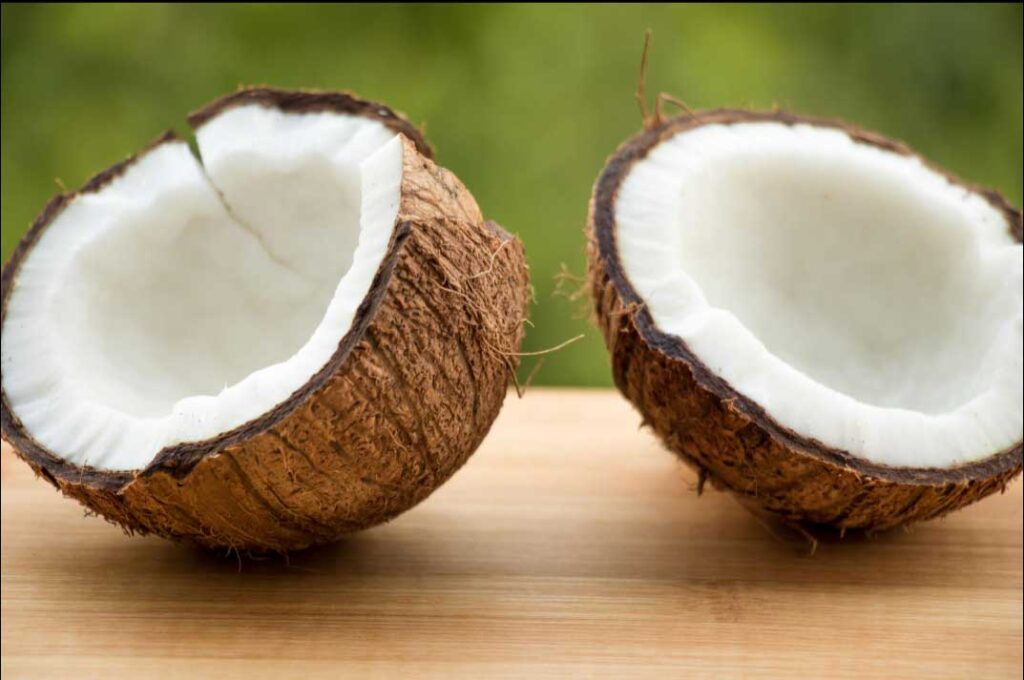
- ✅ Low FODMAP in small portions (~½ cup or 45–60g)
- ❗ Larger servings may contain higher levels of polyols
👉 Scientific note: Coconut meat contains moderate sorbitol levels, which increase with portion size.
2. Coconut Milk
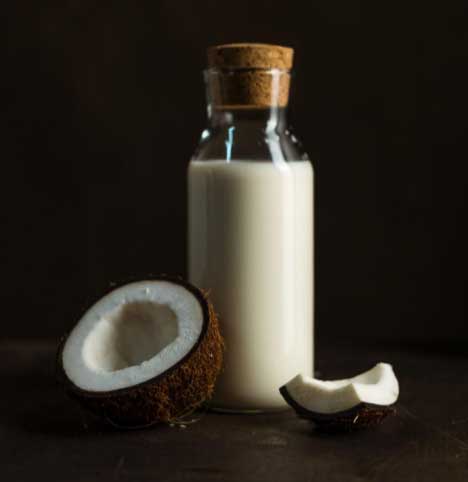
- ⚠️ Low FODMAP in small amounts (~¼ cup or 60ml canned)
- ❌ High FODMAP in larger servings
👉 Why? Concentrated coconut milk contains more fermentable carbs, especially oligosaccharides.
3. Coconut Water
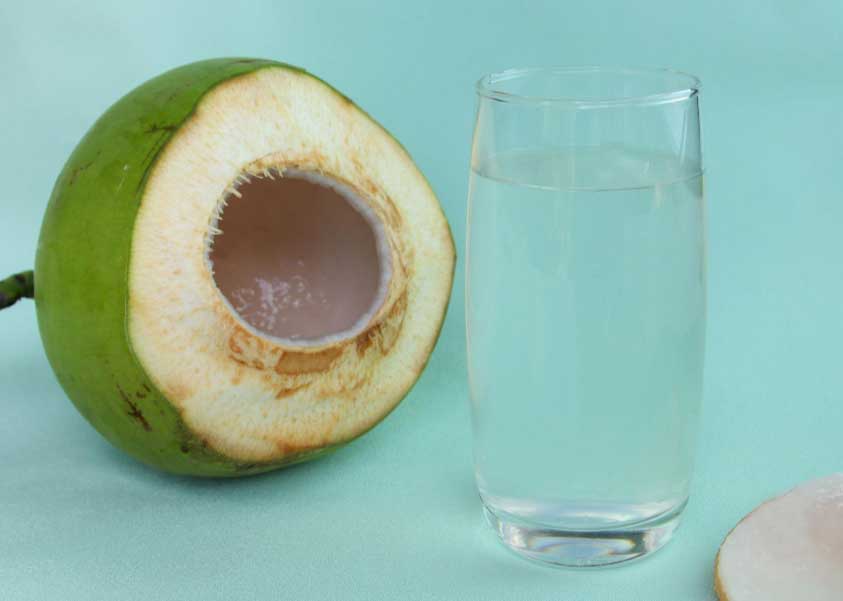
- ⚠️ Low FODMAP in small portions (~100ml)
- ❌ High FODMAP when consumed in larger quantities
👉 Coconut water contains excess fructose, which becomes problematic in higher doses.
4. Coconut Oil
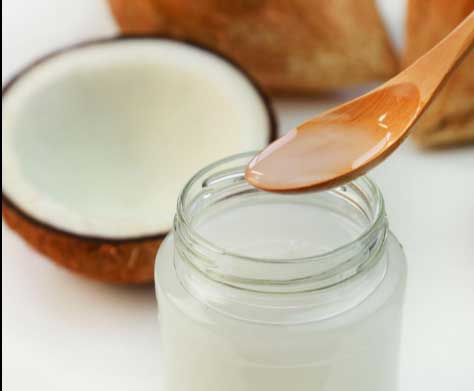
- ✅ Completely low FODMAP
- ✔️ Safe in all normal serving sizes
👉 Scientific explanation: Coconut oil is pure fat and contains no fermentable carbohydrates, making it fully FODMAP-free.
5. Desiccated Coconut (Dried Coconut)
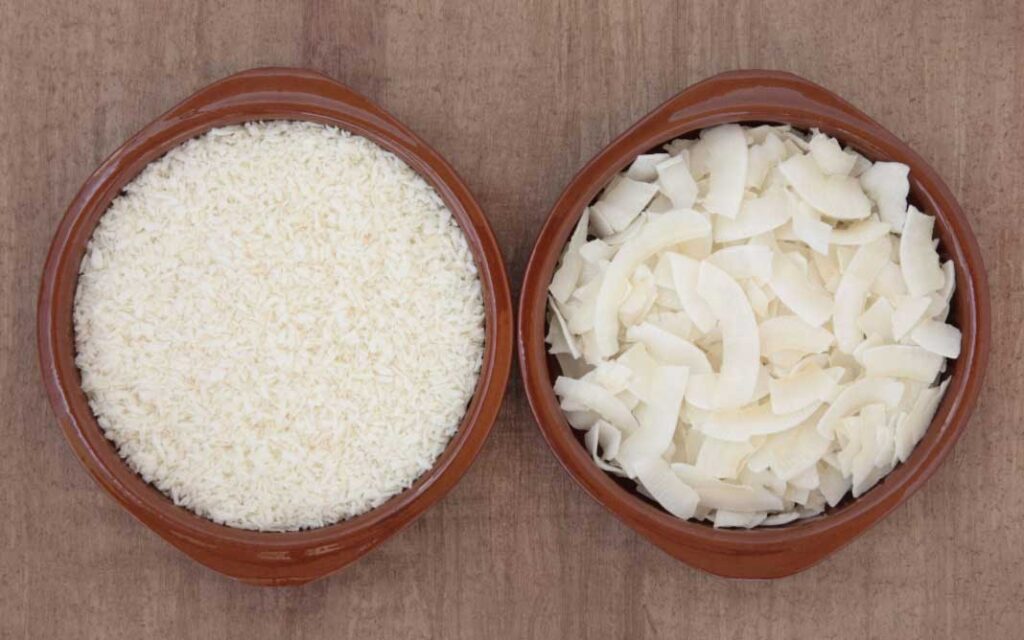
- ⚠️ Low FODMAP in small amounts (~2 tablespoons)
- ❌ High FODMAP in larger servings
👉 Drying concentrates sugars, increasing FODMAP content per gram.
⚖️ Why Portion Size Matters
The low FODMAP diet is dose-dependent, meaning:
- A food can be low FODMAP in small amounts
- The same food becomes high FODMAP when eaten in excess
This is especially true for coconut products due to their moderate polyol and fructose content.
🧠 Scientific Perspective
Research from institutions like Monash University, which developed the low FODMAP diet, shows that:
- Coconut products vary widely in FODMAP composition
- Portion control is essential to avoid symptoms
- Individual tolerance can differ significantly
✅ Practical Tips for Including Coconut in a Low FODMAP Diet
- Stick to tested serving sizes
- Prefer coconut oil for cooking (100% safe)
- Use light coconut milk or dilute it
- Combine coconut with other low FODMAP foods to reduce overall load
- Track your personal tolerance during the reintroduction phase
❓ FAQ: Is Coconut Low FODMAP?
1. Is coconut completely low FODMAP?
No. Coconut is conditionally low FODMAP—safe only in controlled portions depending on the form.
2. Is coconut milk safe for IBS?
Yes, in small amounts (about ¼ cup). Larger quantities may trigger symptoms in people with Irritable Bowel Syndrome.
3. Is coconut oil low FODMAP?
Yes. Coconut oil is 100% low FODMAP because it contains no carbohydrates.
4. Can I drink coconut water on a low FODMAP diet?
Yes, but limit intake to about 100ml per serving to avoid excess fructose.
5. Is dried coconut high FODMAP?
It can be. Small amounts are safe, but larger portions are high in polyols.